
Understanding Topographical Surveys Surrey
Topographical surveys are an essential component in the planning and development of land projects, particularly in Surrey, where the varied terrain can significantly influence construction design. A topographical survey captures the features of a piece of land, providing the vital data needed for informed decisions during development projects. This detailed mapping encompasses both natural features like hills, valleys, water bodies, and artificial structures such as buildings and roads. When exploring options, Topographical surveys Surrey ensures comprehensive insights into your land, aiding in accurate planning and execution.
What is a Topographical Survey?
A topographical survey, often referred to as a land survey, topo survey, or terrain survey, involves the detailed mapping of a piece of land. This survey captures and presents information regarding the location of various physical features, including elevations, contours, and boundaries. The data is typically represented through detailed drawings and maps that feature contours, natural and man-made landmarks, and current property lines. These surveys are critical for various stakeholders, including architects, engineers, and developers, as they provide a clear picture of the terrain and existing features of a site.
Importance of Topographical Surveys in Planning
The importance of topographical surveys in the planning phase cannot be overstated. They serve as the foundation for any project, enabling architects and engineers to design structures that are not only safe but also effective in utilizing the land available. Accurate mapping of the site helps in identifying potential risks, such as flood-prone areas or unstable soil, which might otherwise lead to costly delays and safety issues. Furthermore, topographical surveys are often a requirement for planning applications, ensuring compliance with local regulations.
Common Misconceptions About Topographical Surveys
Despite their vital role, there are several misconceptions surrounding topographical surveys. One common belief is that they are only necessary for large-scale developments. In reality, even small residential projects benefit significantly from accurate site data. Another misconception is that topographical surveys are too costly for the average homeowner. While costs do vary based on project complexity, they are often more accessible than perceived and can save money in the long run by preventing errors and redesigns.
Technological Advancements in Topographical Surveys
The world of topographical surveying has evolved dramatically in recent years, driven by technological advancements that enhance accuracy and efficiency. Modern tools and techniques now provide surveyors with unprecedented capabilities to gather data and interpret site conditions.
Latest Equipment and Techniques Used
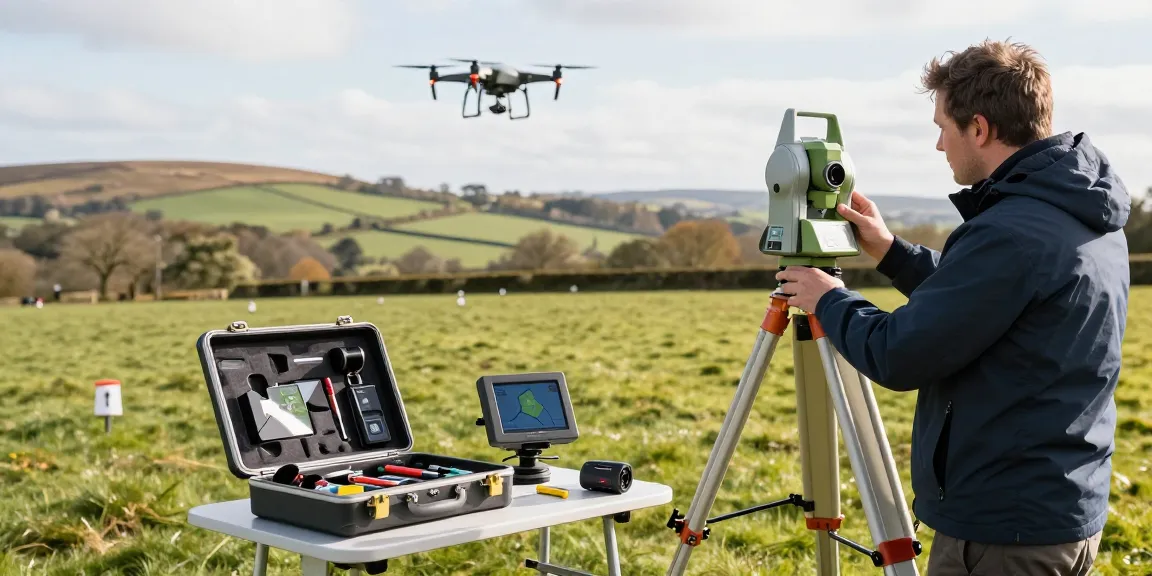
Today, surveyors utilize a wide range of precision equipment to conduct topographical surveys, ensuring high levels of accuracy. Notable tools include Total Station Instruments, which integrate theodolites with electronic distance measurement technology, allowing surveyors to obtain precise angle and distance measurements seamlessly. Additionally, Global Navigation Satellite Systems (GNSS) have revolutionized surveying by enabling rapid positioning over extensive areas, particularly beneficial for expansive rural sites.
The Role of Drones in Modern Surveying
Unmanned Aerial Vehicles (UAVs), or drones, have emerged as innovative tools in topographical surveying. Equipped with high-resolution cameras and advanced photogrammetry software, drones can map hard-to-access areas efficiently. They allow surveyors to capture aerial data that is crucial for creating detailed 3D models of the landscape, offering a perspective that ground-based surveys may miss. This aerial view is invaluable for projects requiring comprehensive site analysis.
Understanding LiDAR and 3D Scanning Technology
Light Detection and Ranging (LiDAR) technology is another groundbreaking advancement in surveying. This method employs laser light to capture millions of data points per second, resulting in highly detailed 3D representations of terrain. LiDAR is particularly advantageous for surveying complex environments—where traditional methods may struggle to accurately capture intricate details along with elevation changes. Combining LiDAR with 3D scanning technologies provides unparalleled insights, which are essential for contemporary development projects.
Key Benefits of Conducting Topographical Surveys
Investing in a topographical survey provides numerous advantages crucial for effective land use and development. These benefits extend across various project requirements and sectors.
Improved Planning and Design Accuracy
Accurate site data derived from topographical surveys enhances planning and design processes. With detailed insights into the existing conditions, architects and engineers can design structures that align perfectly with the topography. This precision minimizes the likelihood of encountering unexpected challenges during the construction phase, fostering smoother project execution.
Risk Management and Safety Enhancements
Safety is paramount in construction, and topographical surveys play a critical role in risk management. By identifying elevation changes, flood-prone areas, and potential ground instability, developers can implement strategies to mitigate these risks. This proactive approach not only enhances site safety but also protects investment by avoiding costly accidents and delays.
Supporting Compliance with Local Regulations
In the UK’s regulatory environment, obtaining a topographical survey is often a prerequisite for planning applications. Local authorities typically require detailed site data to ensure that proposed developments meet zoning laws and environmental regulations. An accurate topographical survey provides necessary documentation that supports compliance, reducing the likelihood of application rejections.
Cost Factors and Budgeting for Topographical Surveys
Understanding the cost structure associated with topographical surveys is essential for effective budgeting and project management. Various factors influence the overall pricing, and recognizing these can help stakeholders make informed decisions.
Understanding Price Variations across Different Project Sizes
The cost of a topographical survey in the UK can vary significantly based on several factors, including the size and complexity of the site. For instance, small residential plots may range from £450 to £750, whereas larger commercial or infrastructure sites might exceed £1,500. It’s crucial to receive a tailored quote that accurately reflects the project scope to avoid unexpected expenses.
What’s Included in a Survey Quote?
When obtaining quotes for a topographical survey, it’s important to understand what is included. A comprehensive quote typically covers initial site assessment, data collection, mapping, and the production of detailed survey reports. Additionally, firms may offer services formatted for CAD integration or BIM modelling, depending on your project’s needs. Clarity in what’s included prevents misunderstandings and helps manage expectations.
Ways to Control Survey Costs Effectively
There are several strategies to control costs while ensuring you receive quality surveying services. Planning the survey during optimal weather conditions can reduce time spent on-site. Clearly defining the scope of work upfront helps to avoid unnecessary changes that could incur additional costs. Additionally, working with local surveyors who understand the area’s particularities can lead to more efficient surveys, saving both time and money.
Choosing the Right Surveying Service in Surrey
Choosing the right surveying company is pivotal for the success of your project. The right team not only provides accurate surveys but also offers invaluable insights into the local terrain.
What to Look for in a Topographical Survey Company
When selecting a topographical surveyor, consider their experience and reputation in the industry. Look for companies that specialize in your type of project, whether it’s residential, commercial, or industrial. Ensuring they use modern technology and techniques will also enhance the accuracy and quality of your survey.
Questions to Ask Before Hiring a Surveyor
Prior to hiring a surveyor, ask pertinent questions such as the methodologies they use, their experience with projects similar to yours, and the expected timeline for completion. Inquire about their insurance and licensing as well to confirm their legitimacy and professionalism.
Importance of Locally Experienced Surveyors
Locally experienced surveyors are invaluable assets. They possess knowledge of unique geological and regulatory factors affecting land use in Surrey, enabling them to conduct surveys that are not only precise but also compliant with local laws. Their insights can significantly enhance project outcomes.
What are the advantages of working with accredited surveyors?
Working with accredited surveyors guarantees that your project adheres to professional standards. Accredited surveyors have typically undergone rigorous training and examinations, ensuring they are equipped with the skills needed to provide accurate and reliable surveys. This accreditation often leads to greater credibility with local authorities during planning applications.
How to ensure quality and accuracy in surveys?
To ensure quality and accuracy, demand clearly defined deliverables in your contract with the surveying firm. Regular communication throughout the process will also help keep the project on track. Furthermore, request samples of previous work to assess the quality of their reporting and mapping.