Understanding GPR Utility Surveys PAS128
In an era where infrastructure development is on the rise, the need for precise utility mapping has never been more crucial. Ground Penetrating Radar (GPR) Utility Surveys that comply with PAS128 standards have become the cornerstone of effective project planning and execution, particularly within urban and suburban settings in the UK. These surveys are essential for providing accurate data about subsurface utility locations, which can significantly impact construction, engineering, and environmental projects. When exploring options, GPR Utility Surveys PAS128 Berkshire provides comprehensive insights that can guide decision-making processes.
What is a PAS128 Survey?
PAS128, or the Publicly Available Specification 128, is a standard developed to ensure the accuracy and reliability of utility mapping services. It establishes a framework for the detection and mapping of underground utilities, promoting best practices in surveying. This specification categorizes utility surveys into different quality levels (Q1 to Q4) based on the type of information available, from direct observation to inferred data through GPR technology. Understanding these categories is crucial for clients and contractors alike, as it helps to set expectations and determine the necessary steps for project execution.
The Importance of Ground Penetrating Radar in Utility Mapping
Ground Penetrating Radar (GPR) serves as a vital tool in utility mapping, offering non-invasive methods to detect subsurface features. By emitting high-frequency radio waves into the ground, GPR captures reflected signals that provide a detailed image of what lies below the surface. Not only does this technology reveal the presence of utilities such as water pipes, gas lines, and electrical cables, but it also identifies potential hazards that could disrupt construction activities. Therefore, GPR has become indispensable in ensuring safety and efficiency in the construction industry.
Applications and Benefits of GPR Utility Surveys
GPR Utility Surveys are widely applicable across various sectors, including construction, civil engineering, and environmental management. The benefits of employing GPR in utility mapping include:
- Risk Mitigation: Identifying existing utilities reduces the likelihood of accidental strikes during excavation, protecting both workers and infrastructure.
- Cost Efficiency: With accurate utility maps, project delays caused by unforeseen underground features can be minimized, ultimately saving money.
- Enhanced Planning: Comprehensive data allows for better project design and planning, enabling engineers and architects to make informed decisions.
- Regulatory Compliance: Adhering to PAS128 standards ensures that surveys meet legal requirements, making it easier to obtain necessary permits.
Key Technologies in Utility Surveying
Innovative Equipment for GPR Utility Surveys
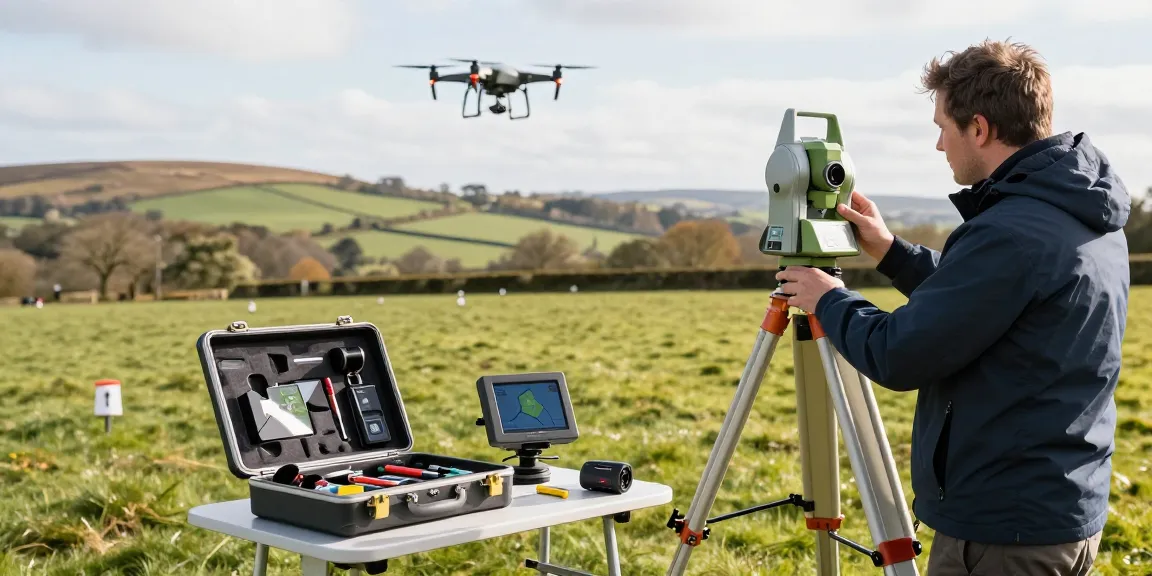
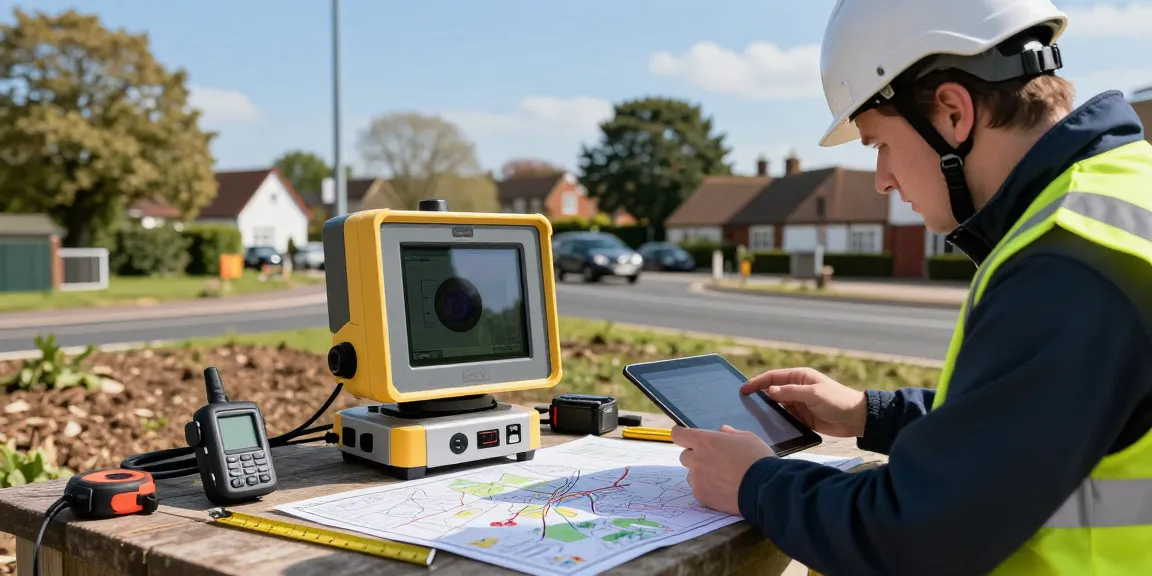
The effectiveness of GPR Utility Surveys heavily relies on the use of advanced equipment. Modern GPR systems, such as the Leica RTC 360 and P20 laser scanners, offer unparalleled accuracy and rapid data collection capabilities. These systems allow surveyors to conduct detailed assessments while minimizing disruption to the surrounding environment. In addition to GPR technology, other tools like Electromagnetic Location (EML) devices are employed to enhance utility detection and validation, providing a comprehensive picture of underground infrastructure.
Comparing GPR Technology with Traditional Methods
Traditional utility surveying methods often involve digging and direct observation to locate utilities, which can be time-consuming and disruptive. In contrast, GPR provides a non-destructive solution that minimizes surface disruption and environmental impact. While traditional methods may still be necessary in some cases, GPR offers a faster, safer, and more accurate alternative that is particularly effective in densely populated urban areas.
Software Solutions for Data Analysis
The data captured through GPR surveys is complex and requires sophisticated software for analysis and interpretation. Modern GIS (Geographical Information System) software allows surveyors to visualize, analyse, and manage utility data effectively. By integrating GPR data with existing maps and models, stakeholders can enhance their understanding of subsurface conditions, leading to better-informed decisions in project planning and execution.
Best Practices for GPR Utility Surveys
Preparing for a Successful Survey
Successful GPR Utility Surveys begin with thorough preparation. This includes conducting a comprehensive site assessment, obtaining relevant permissions, and collaborating with local authorities to gather historical utility data. Involving all stakeholders early in the process ensures that everyone is aligned on survey objectives, leading to a smooth execution.
Conducting Field Studies: Step-by-Step Guide
- Site Inspection: Conduct an initial site inspection to identify potential underground hazards and plan the survey layout.
- Equipment Setup: Position GPR equipment according to the planned survey grid. Ensure all devices are calibrated for optimal performance.
- Data Collection: Execute the survey by systematically traversing the site, capturing GPR data at predetermined intervals.
- Quality Control: Monitor data collection in real-time to ensure quality and accuracy, making adjustments as necessary.
- Data Review: Conduct preliminary data analysis on-site to identify any anomalies that may require further investigation.
Post-Survey Data Processing Techniques
Once the fieldwork is completed, the next step is processing the data. This involves using specialised software to interpret GPR signals and create detailed utility maps. Data should be validated against known utility locations to ensure accuracy. Once finalised, these maps are then incorporated into project plans, providing a solid foundation for construction and development activities.
Common Challenges and Solutions
Addressing Misconceptions about GPR Surveys
There are several misconceptions surrounding GPR Utility Surveys, such as the belief that they can always detect all utilities or that they can replace traditional surveying methods entirely. In reality, while GPR is highly effective, it is not infallible. Factors such as soil composition and the type of utilities can influence detection capabilities. Educating clients about these limitations can foster realistic expectations and improve project outcomes.
Dealing with Underground Complexities
Urban environments often present unique challenges, such as densely populated utility corridors and varying soil conditions. Surveyors must be adaptable and prepared to employ a combination of techniques, including EML and visual inspections, to navigate these complexities effectively. Collaborating closely with engineers and architects can also facilitate proactive measures to address potential underground issues before they arise.
Ensuring Survey Accuracy and Reliability
To maintain the accuracy and reliability of GPR surveys, it is essential to continuously update equipment and training. Regular calibration of GPR devices ensures optimal performance, while ongoing professional development for surveyors keeps them informed about the latest advancements in technology and methodology. This commitment to quality is critical to ensuring that clients receive the most accurate and actionable data possible.
The Future of GPR Utility Surveys in Berkshire
Trends and Innovations for 2026 and Beyond
As technology continues to evolve, GPR Utility Surveys are set to become even more sophisticated and integrated into the construction workflow. Innovations such as drones equipped with GPR technology may soon transform how surveys are conducted, offering increased efficiency and data accuracy. Additionally, advancements in data processing and machine learning will enable more nuanced interpretations of survey results, further enhancing decision-making capabilities.
Potential Impact of Legislative Changes
Changes in regulations and standards relating to utility mapping can significantly influence survey practices. Staying informed about upcoming legislative changes is crucial for surveying firms to ensure compliance and adapt their methodologies accordingly. Engaging with industry associations can provide valuable insights and facilitate proactive adjustments in survey practices.
How to Stay Ahead in Utility Surveying
To remain competitive in the utility surveying industry, companies must invest in the latest technology and training. Adopting a forward-thinking approach that incorporates emerging technologies and best practices will ensure that firms can meet the growing demands of clients and regulatory bodies alike. Additionally, establishing partnerships with local authorities and stakeholders can enhance service offerings and expand business opportunities.
What are the Advantages of GPR Technology?
The advantages of GPR technology are numerous. Its non-destructive nature allows for minimal disruption during surveys, while its high-resolution imaging capabilities facilitate more accurate mapping of underground utilities. Furthermore, GPR technology is versatile, applicable in various soil types and environmental conditions, making it a preferred choice for utility surveying.
How does PAS128 Compliance Benefit Projects?
Compliance with PAS128 standards enhances the credibility and reliability of utility surveys. Clients can trust that the data provided is accurate and adheres to industry best practices, thereby facilitating smoother project execution and reducing the risk of costly delays. Moreover, PAS128 compliance can be instrumental in securing necessary permits and approvals, further streamlining project workflows.
What Types of Projects Require GPR Utility Surveys?
GPR Utility Surveys are crucial for a wide range of projects, including construction, infrastructure development, roadworks, and environmental assessments. Any project that involves ground disturbance or construction activities typically requires a thorough understanding of subsurface utilities to ensure safety and compliance with regulatory standards.
What are the Costs Associated with GPR Utility Surveys?
The costs of GPR Utility Surveys can vary based on several factors, including the size of the site, the complexity of the subsurface conditions, and the specific requirements of the project. While GPR may represent an initial investment, the long-term savings associated with reduced risk and improved project planning often justify this expenditure.
Are GPR Surveys suitable for residential properties?
Yes, GPR Surveys are increasingly suitable for residential properties, particularly during renovation or excavation projects. Homeowners and builders can benefit from accurate mapping of underground utilities, which helps to prevent damage and ensures compliance with local regulations. As more homeowners recognise the value of utility surveys, demand for GPR services in residential contexts is expected to grow.
How to Choose the Right Surveying Company for GPR Surveys?
Selecting the right surveying company is crucial for the success of GPR surveys. Clients should seek firms with a proven track record, relevant certifications (such as PAS128 compliance), and a commitment to employing cutting-edge technology. Additionally, companies should offer transparent pricing and demonstrate a comprehensive understanding of the specific needs and challenges associated with utility surveying.