
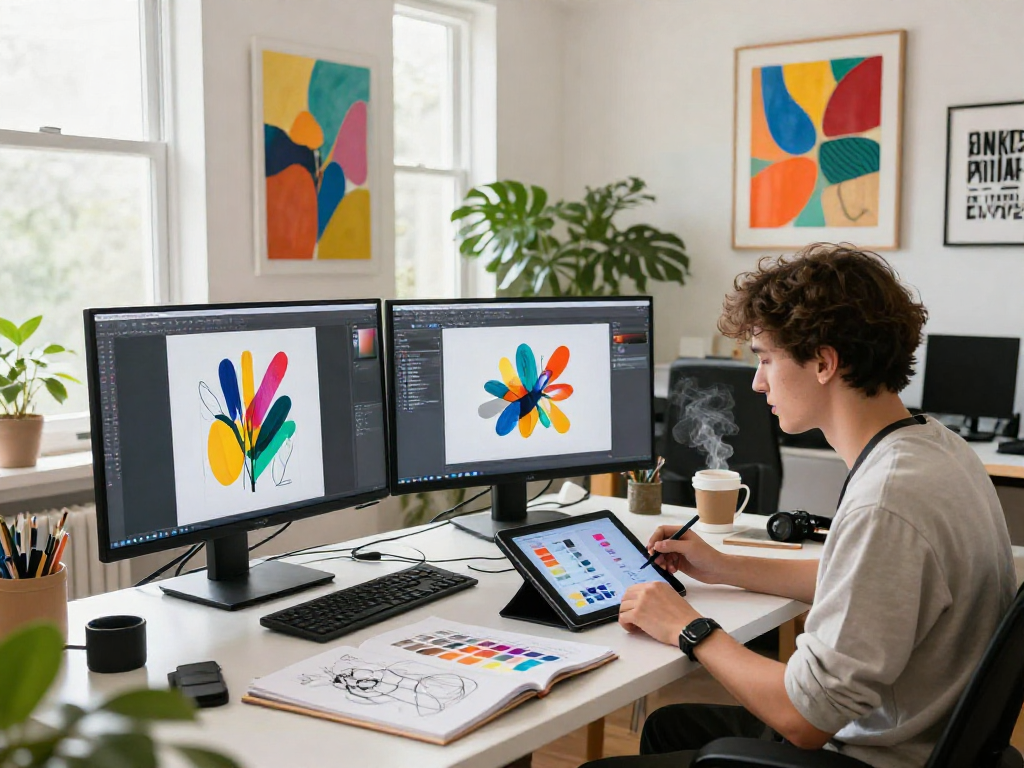
The Evolution of 18+ AI Art in 2026
As we stride through 2026, the intersection of technology and creativity has reached astonishing heights, particularly with the emergence of 18+ AI art. This innovative form of art leverages artificial intelligence to create explicit, nuanced, and provocative pieces that spark discussions about art, sexuality, and the role of technology in creative expression. Understanding this evolution is crucial for professionals and enthusiasts in the creative sector. When exploring options, 18+ ai provides comprehensive insights into navigating this dynamic landscape.
What Is 18+ AI and Its Role in Creativity?
18+ AI refers to artificial intelligence systems specifically designed to generate adult-themed art. Unlike traditional art forms, which rely heavily on human emotion and intuition, AI art uses algorithms, machine learning, and vast datasets to replicate or innovate upon existing styles. The role of 18+ AI in creativity is multifaceted; it not only expands the boundaries of artistic expression but also raises questions about authorship, authenticity, and the future of art itself.
Key Technologies Driving AI Art Innovation
Several core technologies are pivotal in shaping 18+ AI art. These include:
- Generative Adversarial Networks (GANs): GANs consist of two neural networks that work against each other to create new content that mimics existing data. They have become instrumental in producing high-quality images, including explicit visuals.
- Natural Language Processing (NLP): This technology allows AI to interpret and generate descriptive texts related to visual content, enabling a deeper connection between words and art.
- Image Recognition: AI systems can analyze and learn from existing artworks, understanding themes, styles, and nuances that make 18+ art compelling.
How AI Tools Are Transforming Artistic Expression
AI tools have transformed artistic expression by offering artists new mediums and techniques previously deemed impossible. Tools like DeepArt and Artbreeder empower creators to manipulate and generate adult-oriented art with ease. Artists can iterate and experiment with styles, colors, and themes rapidly, enhancing their creative process while also pushing the envelope of what is considered acceptable in the art world.
Understanding the Ethical Implications of 18+ AI
The rise of 18+ AI art does not come without its controversies and ethical dilemmas. As we embrace these technologies, it is essential to address the moral implications surrounding their use and the impact on society and the art community.
Common Misconceptions About AI Art Creation
One prevalent misconception is that AI-generated art lacks originality. Critics argue that since AI learns from existing artworks, it cannot create anything "new." However, many artists use AI as a tool to augment their creativity rather than replace it, leading to unique and innovative outcomes. It's crucial to see AI as a collaborative partner that enhances, rather than diminishes, human creativity.
Addressing Copyright Issues with AI-Generated Content
Copyright in the realm of AI-generated art is a complex issue. Questions arise about who owns the art created by AI: is it the programmer, the user, or the AI itself? As 18+ AI art proliferates, legal frameworks need to evolve to protect the rights of all stakeholders involved while encouraging innovation. Ensuring ethical practices in the use of AI tools is essential for fostering a healthy creative environment.
The Importance of Ethical Guidelines in AI Art
Establishing ethical guidelines is crucial for the continued growth of 18+ AI art. Artists, developers, and stakeholders should work collaboratively to create standards that promote responsible usage of AI. These guidelines could address consent, representation, and the implications of depicting explicit content, ensuring that the art produced respects all societal standards and norms.
Best Practices for Integrating 18+ AI in Your Artistic Workflow
Artists interested in incorporating 18+ AI into their workflow should consider several best practices to maximize the benefits while mitigating potential risks.
Choosing the Right AI Tools for Your Art Style
Selecting appropriate AI tools is essential for achieving desired artistic outcomes. Different tools excel in various areas; some may produce stunning visuals, while others are better suited for conceptual art. Artists should experiment with multiple platforms to find the one that complements their style and enhances their creative vision.
Incorporating AI Collaborations into Your Creative Process
Using AI as a collaborator can expand the horizons of artistic expression. By blending human intuition with AI's computational power, artists can explore themes and styles that they might not consider when working alone. For instance, artists can set parameters for AI tools to generate variations of a piece, which can be further refined or adapted to match their unique vision.
Measuring Success: Key Metrics for AI Art Projects
Success in 18+ AI art projects should be assessed through various metrics. These may include audience engagement, sales figures, and social media interactions. Tracking the reception of AI-generated art can provide valuable insights into consumer preferences and guide future artistic endeavors.
The Future of 18+ AI in the Creative Industry
As we look ahead, the landscape of 18+ AI art continues to evolve, driven by advancements in technology and shifting cultural paradigms.
Predictions for AI Art Trends in 2026 and Beyond
Several trends are likely to shape the future of 18+ AI art, including:
- Greater Personalization: AI will increasingly be able to create tailored art pieces based on individual preferences, enhancing the connection between the artwork and the viewer.
- Integration with Virtual Reality (VR): The convergence of AI art and VR will allow consumers to experience art in immersive environments, redefining how audiences interact with explicit content.
- Collaboration Between AI and Traditional Artists: More artists will likely embrace AI tools, leading to hybrid works that blend techniques from both realms, enriching the art scene.
How Emerging AI Technologies Will Redefine Art
Emerging technologies such as quantum computing and advanced neural networks will further revolutionize the capabilities of AI in art creation. These advancements could enable AI to understand and replicate the intricacies of human emotion and creativity, leading to even more compelling and impactful works of art.
Preparing for Changes in Consumer Preferences
Artists and creators will need to stay attuned to changing consumer preferences regarding 18+ AI art. As societal norms evolve, so too will the demand for certain styles and themes. Artists should be proactive in researching trends and audience feedback to ensure their work resonates in a rapidly changing marketplace.
Frequently Asked Questions About 18+ AI
How can I start using 18+ AI in my artwork?
To start using 18+ AI, begin by exploring different AI art tools and platforms that cater to adult themes. Experiment with various techniques and styles to find what resonates with you. Online tutorials and community groups can be invaluable resources for learning and sharing experiences.
What are the risks associated with AI-generated art?
Risks include potential copyright infringement, ethical concerns regarding the representation of explicit content, and the possibility of alienating traditional audiences. Navigating these challenges requires a thoughtful approach to the integration of AI tools in artistic creation.
Can AI truly replace human artists in 2026?
While AI can replicate certain artistic techniques and styles, it lacks the emotional depth and intuition inherent in human creativity. Rather than replacing artists, AI is best viewed as a tool that augments and enhances the creative process.
What skills do I need to effectively use 18+ AI tools?
Essential skills include a basic understanding of algorithms, creativity in using AI outputs, and familiarity with digital art software. Additionally, staying informed about current trends and developments in AI technology can enhance your effectiveness as an artist.
How can I maintain my art's originality when using AI?
To maintain originality, it’s important to use AI as a tool for inspiration rather than a crutch. Blend AI-generated elements with your unique style, and ensure that your voice remains distinct in the artwork you create.